
How Do I Choose Replacement Teeth That Suit My Face?
in Phoenix, AZ
Replacement teeth suit a face when three choices are made to match it: shade, which should flatter your complexion and age rather than default to maximum white; shape, where tooth forms range from squarer to softer and rounder, and the right one echoes your features and the teeth you had; and smile line, how much tooth shows under the lip at rest and in a full smile, which sets whether the result reads as youthful, natural, or overdone. The way to get all three right is to preview them: a wax-up or digital design you can see and change, then a try-in with provisional teeth in your own mouth before anything is final. Old photos of your natural smile are genuinely useful, so bring them. Dr. Taylor Field at Sonoran Dental Arts in Phoenix designs replacements this way as standard. Call (602) 861-0505.
When replacement teeth look wrong, it is rarely because they look bad. It is because they look like someone else's: too white for the complexion, too long for the lip, too perfect for the face around them. Teeth suit a face the way a haircut does, and like a haircut, the difference between right and wrong is a set of choices you can actually be part of.
Dr. Taylor Field makes those choices with patients, not for them, at Sonoran Dental Arts in Phoenix, and this page explains what each choice is.
Design Teeth That Are Yours
Bring an old photo of the smile you liked. The exam starts the design, the try-in lets you approve it in your own mirror, and nothing is final before your yes.
Get an Appointment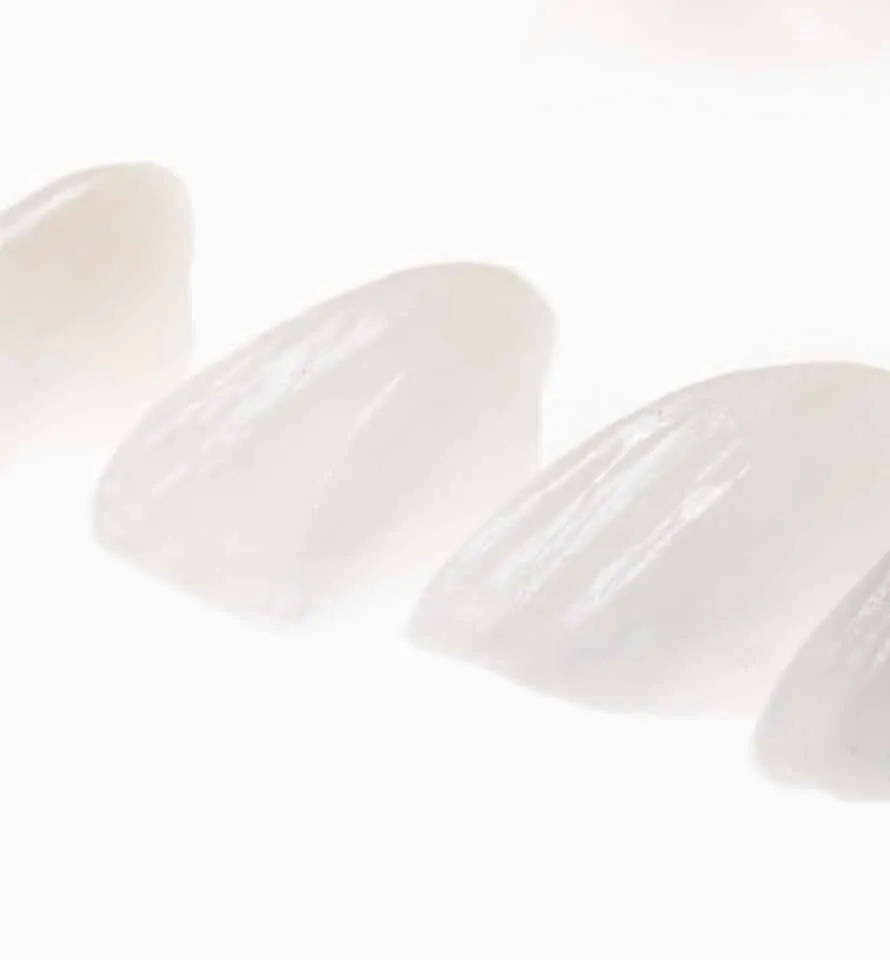
Shade: Whiter Is Not the Same as Better
Natural enamel carries warmth, and it varies with complexion and age, which is why a shade that sings on one face goes chalky on another. The teeth also have to live beside your skin, your hair, and the whites of your eyes; go brighter than the eyes and the teeth start doing all the talking. If some natural teeth remain, the new ones are matched to them, possibly after whitening the naturals first so everything lands at the brighter shade together. If a whole arch is being designed, you choose the shade at the try-in, in daylight, on your own face, with honest advice rather than a default of maximum white.
Shape: Teeth Have Personalities
Look closely at front teeth and you will see families of shape: squarer forms with flat edges that read as strong, softer ovals that read as gentle, slightly pointed forms that read as sharp. Labs carry libraries of these forms, and the designer's job is matching one to your face: its width, the curve of your jaw, how your lips frame the teeth when you talk. The second input is who you were: the shapes you had before loss or wear are usually the shapes that belong on your face, which is why an old photo showing your natural smile is worth more to the design than any catalog.
Smile Line: How Much Tooth Shows
The smile line is the relationship between the edges of the upper front teeth and the curve of the lower lip when you smile, plus how much tooth peeks out when your mouth is simply at rest. Youthful smiles show a little more upper tooth; age wears teeth shorter and shows less. Replacement teeth set this on purpose: too short and the face looks older than it is, too long and the result reads as dental work. For dentures and full arches this design also sets lip support, which the face shape page explains. It is the least discussed choice and the one people sense most immediately when it is wrong.
The Wax-Up and Try-In: Approving It Before It Exists
These choices would be nerve-wracking if they were final on day one. They are not. For significant cases the lab first builds a wax-up, a physical or digital model of the proposed teeth, where shade, shape, and length can be debated and changed at no cost to your mouth. Then comes the try-in: provisional teeth, made to the design, sitting in your mouth while you look in a mirror, talk, and smile. Bring whoever you trust. Changes at this stage are expected and welcome, because the entire point of the sequence is that nothing becomes permanent until the face in the mirror looks like you. The natural-looking replacement teeth page covers the craft that then makes the final version convincing.
The Same Choices at Every Scale
One implant crown borrows its answers from the neighbors: match their shade, mirror the twin tooth across the midline, follow the existing smile line. A bridge or partial does the same across a longer span. A full arch, denture or fixed All-on-4, is the blank-canvas case where every choice above is made fresh, which is why the wax-up and try-in steps matter most there and why an old photo of your natural smile carries the most weight. Whatever the scale, the single tooth implant page and the All-on-4 page cover the engineering underneath the design.
How It Works at Sonoran Dental Arts
Dr. Field examines the mouth, studies your face and any photos you bring, and builds the design through the wax-up and try-in so you approve the look before anything is final, with implants published at $2,000–$2,400 each and the full pricing anatomy on the dental implant cost page. The plan comes in writing, HSA and FSA funds apply, and nothing starts before your yes.
Helpful Links
Common questions
How do I know what shade to pick for new teeth?
Pick with your face, not a chart alone: the shade has to live beside your complexion and the whites of your eyes, and the most convincing choices sit a step or two below maximum white. You make the call at the try-in, in daylight, on your own face, with honest advice.
Can new teeth be made to look like my old smile?
Yes, and it is usually the best design brief there is. A photo from before the loss or wear, even a casual snapshot with a real smile, lets the lab rebuild the shapes and proportions that already suited your face. Bring every photo you have.
What is a wax-up?
A preview of the proposed teeth, built in wax on a model or digitally on a scan, made before anything touches your mouth. It is where shade, shape, and length get debated and changed freely, so the design is settled on the bench instead of discovered after cementing.
What if I don't like the teeth at the try-in?
Then they change, and that is the system working rather than failing. The try-in exists precisely to catch a shade that reads too bright or a length that feels wrong while changing it is still easy. Asking for adjustments at that stage is expected, not rude.
Should replacement teeth look perfect or natural?
Natural, which means slightly imperfect on purpose: minor variations in edge and rotation like real smiles have. Perfectly even, perfectly white rows are what reads as dental work. The design conversation covers how polished you want yours to be, and the choice is yours.
Does this design work cost extra in Phoenix?
The wax-up and try-in are part of doing significant cases properly, and they are named as lines in the written plan rather than hidden. Implants are published at $2,000–$2,400 each, and every step has its fee on paper before anything starts. HSA and FSA funds apply.
Visit Us in Phoenix
Neighborhoods We Serve Near Phoenix, AZ 85020
Your Local Dentist
Patients visit us from neighborhoods across North Central Phoenix, including Squaw Peak, Biltmore Greens, and Dreamy Draw Homes, thanks to our convenient location near Glendale Ave and 16th Street. We are located near Glendale Avenue and 16th Street in the heart of North Central Phoenix, Sonoran Dental Arts proudly serves a wide range of surrounding communities. Whether you’re in the Biltmore area or tucked near the trails of Piestewa Peak, we’re your trusted neighborhood dental provider. Our patients come from:
- Squaw Peak
- Squaw Peak Foothills
- Biltmore Highlands
- Dreamy Draw Homes
- Canterra at Squaw Peak Condominiums
- Lincoln Vista
- Desierto Sierra
- The Pointe
- Biltmore Vista
- Biltmore Greens
- Biltmore Courts
- Biltmore Colony
- Biltmore Villas
- Arizona Biltmore Estates
- Granada Park
- Lincoln Vistas
- Madison Village
- Estate Monterra
- Rolling Hills Estates
- Tonka Vista
- Hopi Vista
- Patio Del Sol
- Torre Blanca
- Royal Crest Villa
- Ocotillo Manor
- Gatewood Manor
- East Orangewood
- Orangewood Heights
- New NorthTown
- Navea Ventura
- La Mirada Condominiums
- Madison Meadows
- Luci’s at the Orchard Area
- Arizona Sunburst Inn vicinity
- Madison Rose Lane Area
- Bethany Estates
- Piestewa Peak Neighborhood
- The Pointe at Squaw Peak Resort Area
- Holy Trinity Greek Orthodox Area
- Sprouts Farmers Market Neighborhood (Glendale & 16th)
If you’re located in or near any of these neighborhoods, Dr. Taylor Field and the Sonoran Dental Arts team are here to provide top-quality, patient-centered dental care close to home. Explore our General Dentistry, Family Dentistry, Kids Dentistry, Cosmetic Dentistry, Dental Implant Services, Invisalign, and Emergency Dental Care to see how we can serve you.
Life in North Central Phoenix is full. Work commutes. Weekend hikes. Quick dinners with friends. When you’re balancing all that, your smile should be the last thing holding you back. That’s where dental implants come in. They restore confidence. They keep life moving—whether you’re near Squaw Peak, Dreamy Draw, or grabbing coffee by Luci’s at the Orchard.
In the Squaw Peak Foothills and Dreamy Draw Homes, mornings often start outdoors. The trails are busy, the sun comes up fast, and neighbors are out early. Missing teeth or a loose denture can make those moments feel smaller than they should. Dental implants bring stability back. You laugh without worry. You share a trail snack or coffee and feel like yourself again.
The Biltmore neighborhoods have their own rhythm. Biltmore Highlands, Arizona Biltmore Estates, Biltmore Greens, Biltmore Vista—here life is busy and polished. Business lunches at the Biltmore, family nights out, evenings with friends. Implants fit naturally into this lifestyle because they look and function like real teeth. You don’t think about them. You just live.
Closer to Granada Park or Madison Meadows, afternoons mean school pickups, sports practices, and grocery stops. Families move quickly. Nobody wants dental care that slows everything down. With implants, you can eat the meals you want, smile without hesitation, and get back to what matters. No adhesives. No slipping. Just strong, reliable teeth.
Evenings near Lincoln Vista, Tonka Vista, and Rolling Hills Estates are for winding down. Neighbors chat. Kids ride bikes. Dinner happens at home or a favorite local spot. For many, enjoying those meals fully wasn’t always possible. Implants change that. Steak, crunchy veggies, fresh bread—they’re all back on the table. Life tastes better again.
Weekends at The Pointe Resort or gatherings near Canterra at Squaw Peak Condominiums bring people together. It’s laughter in photos. It’s toasts at celebrations. It’s casual moments that deserve a confident smile. Implants give you that. They don’t come out. They don’t shift. They’re built to last.
This community is close-knit. From East Orangewood to Navea Ventura, from Torre Blanca to Patio Del Sol, people share recommendations. A dental office earns trust when care feels personal. Dental implants are more than a procedure—they’re a step toward comfort, security, and enjoying life in the neighborhoods you love.
Living near Piestewa Peak or the Glendale and 16th Street corridor means convenience matters. You want treatment that’s close to home, not across town. Implants make long-term dental health simple. They protect your jaw, preserve your smile, and free you from constant repairs.
If you’re in Squaw Peak, Dreamy Draw, the Biltmore communities, or any of the neighborhoods nearby, know that implants are an option designed for real life here. Strong. Natural. Lasting. A solution that fits where you live, eat, play, and connect. That’s how dental implants help you keep pace with Phoenix—and enjoy every part of it.