
Why Are My Dentures Getting Looser Over Time?
in Phoenix, AZ
Your denture is not changing; the jaw under it is. Jawbone stays dense when tooth roots press chewing forces into it, and once the teeth are gone that signal stops, so the bone slowly resorbs and the ridge your denture was molded to grows smaller year by year. The denture then rests on a hill that keeps shrinking beneath it, which is why every denture loosens eventually no matter how well it was made. Relines refit the denture to the current ridge and buy years at a time. The only thing that actually slows the bone loss is putting roots back: implants load the bone the way teeth did, which is why they hold their fit while dentures lose theirs. Dr. Taylor Field lays out both paths at Sonoran Dental Arts in Phoenix. Call (602) 861-0505.
Nobody breaks a well-fitting denture in. It is the opposite: the fit is best on day one and loosens from there, slowly enough that you adapt without noticing, until one day the denture that once gripped needs adhesive to survive lunch. If that is where you are, nothing went wrong with your denture, and nothing went wrong with you.
What is happening has a name, it happens to essentially everyone who wears a conventional denture, and it can be slowed. Dr. Taylor Field explains it to patients at Sonoran Dental Arts in Phoenix the same way this page does: plainly and without alarm.
See Where Your Ridge Stands
One exam and one X-ray show how much ridge you have, whether a reline will hold, and what anchors would take. You leave with a written plan, and nothing starts before your yes.
Get an Appointment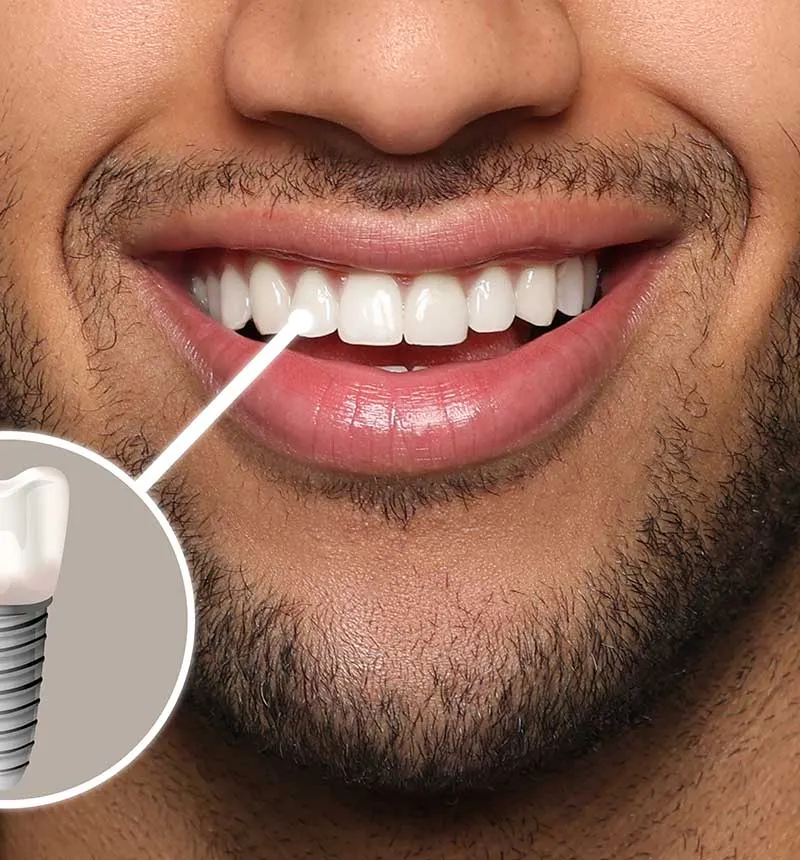
The Bone Needs a Job
Bone is living tissue that remodels constantly, and it keeps itself dense exactly where force tells it to. Tooth roots deliver that force: every chew sends load down the root into the jaw, and the jaw responds by staying thick. Remove the teeth and the signal goes silent. The body, efficient to a fault, reads unloaded bone as surplus and gradually reclaims it. This is resorption, and it is the same reason an arm thins inside a long-term cast. Nothing is diseased. The bone is just answering the only signal it gets, which is none.
Why a Denture Can't Stop It
A denture presses on the gum surface, and surface pressure is not the signal bone listens for; roots loaded it from inside. So the ridge keeps shrinking under even a perfect denture, fastest in the first year after extractions and gradually after that, and the lower jaw generally loses height faster than the upper. As the hill shrinks, the denture molded to the old hill starts to rock, food creeps under the edges, and the suction weakens. Slipping at meals and rising adhesive use are the everyday faces of this one process, and both have their own pages: dentures slipping when eating and alternatives to daily denture glue.
What Relines Honestly Do
A reline refits the denture's inner surface to the ridge as it is today, and it genuinely works: the fit comes back, often for years. What it cannot do is stop the ridge from continuing to shrink, so each reline is a snapshot of a moving target. Most denture wearers do well on a rhythm of a reline every few years and a new denture when the old one wears out. If your relines are holding for shorter and shorter stretches, that is not a failing dentist or a cheap denture; it is the ridge getting low enough that refitting has less and less to grip.
What Actually Slows the Bone Loss
Implants are titanium roots, and bone treats them like roots: chewing load travels down the implant into the jaw, the signal returns, and the bone around the implant keeps its density. This is the quiet, structural argument for implants that has nothing to do with convenience. A snap-in denture on two to four anchors preserves the bone around those anchors while also ending the slipping. A fixed arch loads the jaw more completely. Neither rebuilds what has already resorbed, which is why the conversation is easier earlier, but a jaw that has already lost a lot is rarely out of options; grafting and the page on implants with bone loss cover that honestly.
If You Want to Stay With Dentures
That is a legitimate choice, and plenty of people make it with open eyes. The playbook: keep the reline schedule instead of waiting for misery, take the denture out at night so the gum tissue recovers, and have the ridge looked at every year or two so changes are tracked rather than discovered. A loosening denture managed this way stays comfortable far longer than one pushed until it fails. The decision between maintaining the current denture and stepping up has its own page: repair the old dentures or consider another option.
How It Works at Sonoran Dental Arts
Dr. Field measures the ridge on an X-ray, tells you how much bone you have and how fast it has been changing, and prices both paths in writing: the maintenance path of relines and eventual replacement, and the anchor path, with implants published at $2,000–$2,400 each and the full pricing anatomy on the dental implant cost page. HSA and FSA funds apply, and nothing starts before you have agreed to the plan.
Helpful Links
Common questions
Is it normal for dentures to get loose after a few years?
Yes. The jaw ridge under a denture shrinks slowly because nothing loads the bone from inside anymore, so every conventional denture loosens with time regardless of quality. A reline every few years is the normal maintenance, the way tires are normal maintenance on a good car.
How often should a denture be relined?
Many people land around every two to four years, but the honest answer is: when the fit says so, which is why an annual look at the ridge beats a fixed schedule. Fast-changing jaws need relines sooner; slow ones stretch longer. Rising adhesive use is usually the first signal.
Does wearing dentures cause bone loss?
The bone loss comes from the missing teeth, not the denture itself: without roots, the jaw gets no loading signal and slowly resorbs. A denture neither causes nor prevents it, though one worn around the clock can accelerate tissue problems, which is one reason nights off matter.
Can lost jawbone grow back?
Not on its own. What resorbed stays resorbed, which is why acting while bone remains is easier. Grafting can rebuild specific sites so implants can be placed, and that works well, but it is rebuilding for a purpose rather than regrowing the whole ridge.
Do implants really stop dentures from getting loose?
They solve it from two directions. The denture clips to anchors, so daily looseness ends immediately, and the implants load the bone like roots, so the ridge around them keeps its density instead of shrinking away. That second part is why implant-retained teeth hold their fit over years.
Am I too far gone for implants after decades with dentures?
Rarely. Long-time denture wearers have less ridge, so the plan may include grafting or implant positions chosen for where bone remains, and the lower jaw usually has workable options even after decades. A scan gives the real answer in one visit, and the implants with bone loss page covers what is possible.
Visit Us in Phoenix
Neighborhoods We Serve Near Phoenix, AZ 85020
Your Local Dentist
Patients visit us from neighborhoods across North Central Phoenix, including Squaw Peak, Biltmore Greens, and Dreamy Draw Homes, thanks to our convenient location near Glendale Ave and 16th Street. We are located near Glendale Avenue and 16th Street in the heart of North Central Phoenix, Sonoran Dental Arts proudly serves a wide range of surrounding communities. Whether you’re in the Biltmore area or tucked near the trails of Piestewa Peak, we’re your trusted neighborhood dental provider. Our patients come from:
- Squaw Peak
- Squaw Peak Foothills
- Biltmore Highlands
- Dreamy Draw Homes
- Canterra at Squaw Peak Condominiums
- Lincoln Vista
- Desierto Sierra
- The Pointe
- Biltmore Vista
- Biltmore Greens
- Biltmore Courts
- Biltmore Colony
- Biltmore Villas
- Arizona Biltmore Estates
- Granada Park
- Lincoln Vistas
- Madison Village
- Estate Monterra
- Rolling Hills Estates
- Tonka Vista
- Hopi Vista
- Patio Del Sol
- Torre Blanca
- Royal Crest Villa
- Ocotillo Manor
- Gatewood Manor
- East Orangewood
- Orangewood Heights
- New NorthTown
- Navea Ventura
- La Mirada Condominiums
- Madison Meadows
- Luci’s at the Orchard Area
- Arizona Sunburst Inn vicinity
- Madison Rose Lane Area
- Bethany Estates
- Piestewa Peak Neighborhood
- The Pointe at Squaw Peak Resort Area
- Holy Trinity Greek Orthodox Area
- Sprouts Farmers Market Neighborhood (Glendale & 16th)
If you’re located in or near any of these neighborhoods, Dr. Taylor Field and the Sonoran Dental Arts team are here to provide top-quality, patient-centered dental care close to home. Explore our General Dentistry, Family Dentistry, Kids Dentistry, Cosmetic Dentistry, Dental Implant Services, Invisalign, and Emergency Dental Care to see how we can serve you.
Life in North Central Phoenix is full. Work commutes. Weekend hikes. Quick dinners with friends. When you’re balancing all that, your smile should be the last thing holding you back. That’s where dental implants come in. They restore confidence. They keep life moving—whether you’re near Squaw Peak, Dreamy Draw, or grabbing coffee by Luci’s at the Orchard.
In the Squaw Peak Foothills and Dreamy Draw Homes, mornings often start outdoors. The trails are busy, the sun comes up fast, and neighbors are out early. Missing teeth or a loose denture can make those moments feel smaller than they should. Dental implants bring stability back. You laugh without worry. You share a trail snack or coffee and feel like yourself again.
The Biltmore neighborhoods have their own rhythm. Biltmore Highlands, Arizona Biltmore Estates, Biltmore Greens, Biltmore Vista—here life is busy and polished. Business lunches at the Biltmore, family nights out, evenings with friends. Implants fit naturally into this lifestyle because they look and function like real teeth. You don’t think about them. You just live.
Closer to Granada Park or Madison Meadows, afternoons mean school pickups, sports practices, and grocery stops. Families move quickly. Nobody wants dental care that slows everything down. With implants, you can eat the meals you want, smile without hesitation, and get back to what matters. No adhesives. No slipping. Just strong, reliable teeth.
Evenings near Lincoln Vista, Tonka Vista, and Rolling Hills Estates are for winding down. Neighbors chat. Kids ride bikes. Dinner happens at home or a favorite local spot. For many, enjoying those meals fully wasn’t always possible. Implants change that. Steak, crunchy veggies, fresh bread—they’re all back on the table. Life tastes better again.
Weekends at The Pointe Resort or gatherings near Canterra at Squaw Peak Condominiums bring people together. It’s laughter in photos. It’s toasts at celebrations. It’s casual moments that deserve a confident smile. Implants give you that. They don’t come out. They don’t shift. They’re built to last.
This community is close-knit. From East Orangewood to Navea Ventura, from Torre Blanca to Patio Del Sol, people share recommendations. A dental office earns trust when care feels personal. Dental implants are more than a procedure—they’re a step toward comfort, security, and enjoying life in the neighborhoods you love.
Living near Piestewa Peak or the Glendale and 16th Street corridor means convenience matters. You want treatment that’s close to home, not across town. Implants make long-term dental health simple. They protect your jaw, preserve your smile, and free you from constant repairs.
If you’re in Squaw Peak, Dreamy Draw, the Biltmore communities, or any of the neighborhoods nearby, know that implants are an option designed for real life here. Strong. Natural. Lasting. A solution that fits where you live, eat, play, and connect. That’s how dental implants help you keep pace with Phoenix—and enjoy every part of it.